Better viewed on a laptop or desktop in full screen.


Characteristics of an effective MENTOR | Altruistic Honest Trustworthy Active listener Previous mentorship experience Enriched network Accessibility Understands the potential and limitations of the mentee Helps promote the mentee’s career |
Characteristics of an effective MENTEE | Open to feedback Active listener Respectful to mentor’s input and time Responsible Pays attention to timeline Takes responsibility for “driving the relationship” Prepared for meetings |
Actions of effective mentors | Act as guides rather than supervisors
Warn mentee of potential pitfalls Protects mentee from harsh interactions Helps mentee have a clear vision of the career path and how interrelates with their personal and social life |
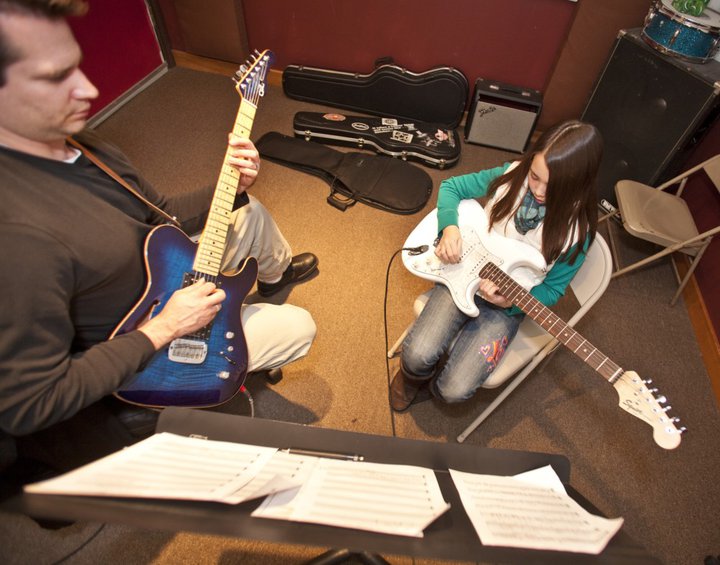
Characteristics of a successful mentor-mentee relationship | Reciprocity Mutual respect Clear expectations Personal connection Shared values |
Characteristics and consequences of a failed mentorship | Poor communication
|
Tactics for a successful mentoring relationship | Start in the mentor’s office (a safe environment) Establish a communication network (“reiterate and review”)
|
Hypotensive a fib, and does calcium before diltiazem work? #FOAMed... tmblr.co/ZgnhMvZBFesd
— EM Res (@BobStuntz) December 12, 2012
@bobstuntz @pharmertoxguy @amalmattu Ca++ sounds reasonable - have also used @emcrit 's push-dose phenylephrine in unstable afib, as well.
— Ryan Radecki (@emlitofnote) December 12, 2012
Love it when I diagnose an achilles tendon rupture by #ultrasound and the ortho doc requests I review the images with him to learn...
— Laleh Gharahbaghian (@SonoSpot) December 11, 2012
CT demonstrating the internal anatomy of a zucchini and the abdomen in a patient with rectal perforation! #Radiology twitter.com/RadiologySigns…
— Radiology Signs (@RadiologySigns) December 9, 2012
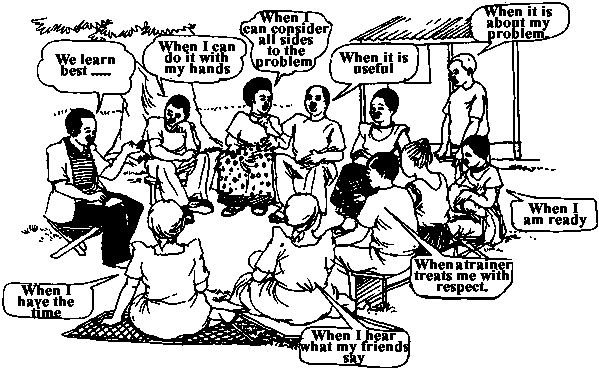
| Need to Know | Adults need to know the reason for learning something |
| Foundation | Experience (including error) provides the basis for learning activities |
| Self-Concept | Adults need to be responsible for their decisions on education; involvement in the planning and evaluation of their instruction |
| Readiness | Adults are most interested in learning subjects having immediate relevance to their work and/or personal lives |
| Orientation | Adult learning is problem-centered rather than content-oriented |
| Motivation | Adults respond better to internal versus external motivators |

Pedagogy | Andragogy | |
| Learner | Dependent. Teacher directs what, when, how a subject is learned and tests that it has been learned. | Moves towards independence. Self-directing.Teacher encourages and nurtures this movement. |
| Learner’s experience | Of little worth. Hence teaching methods are didactic. | A rich resource for learning. Hence teaching methods include discussion, problem-solving etc. |
| Readiness to learn | People learn what society expects them to. So that the curriculum is standardized. | People learn what they need to know, so that learning programmes organised around life application. |
| Orientation to learning | Acquisition of subject matter. Curriculum organized by subjects. | Learning experiences should be based around experiences,since people are performance centred in their learning. |


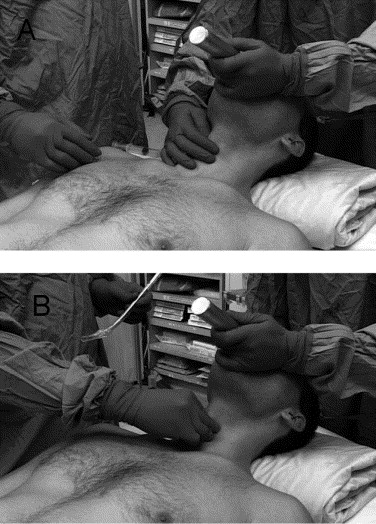

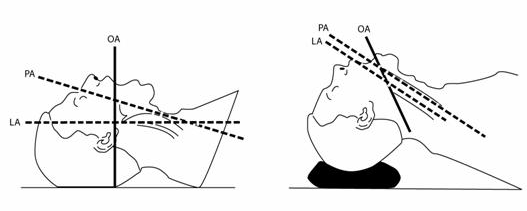
The performance goal should not be plastic in the trachea, but first-pass success and avoidance of hypoxemia, regurgitation, hemodynamic instability, and other untoward effects that accompany repeated intubation attempts. -- LevitanWhat aspects of laryngoscopy do you usually emphasize when training novices? Do you use videolaryngoscopy when you train novices?